|
MoSPI Releases PLFS 2025
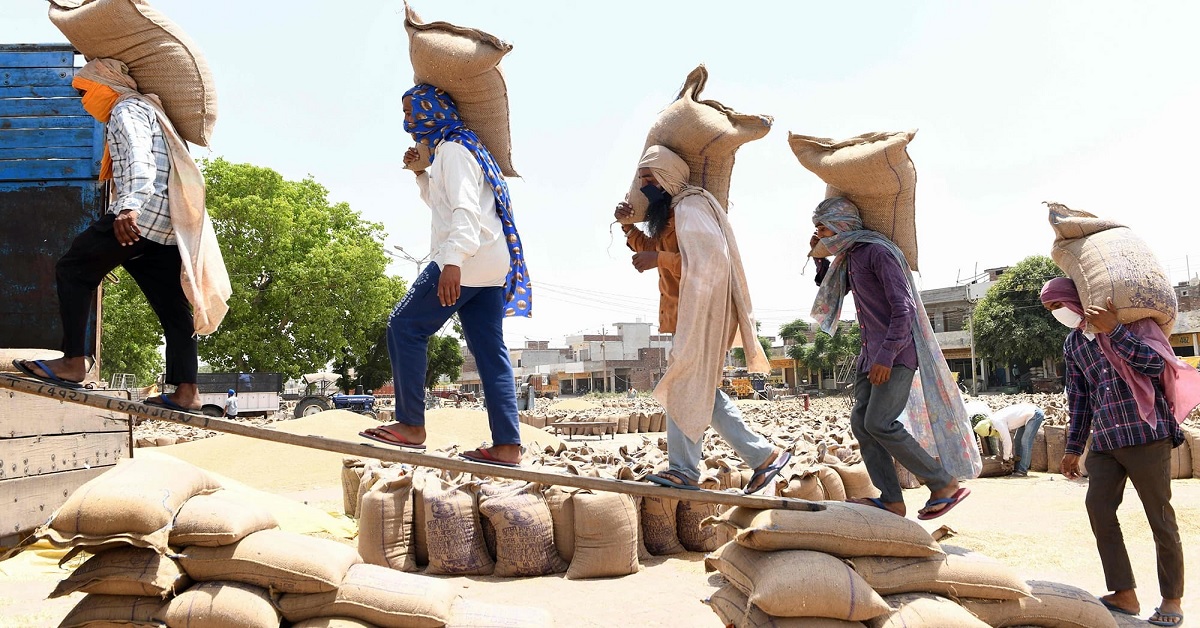
The PLFS Report 2025 released by MoSPI shows India’s unemployment rate declining to 6.5% from 7.0% in the previous year. The report highlights improvements in employment indicators and labour market trends.
Periodic Labour Force Survey (PLFS):
| Dimension | Key Details |
|---|---|
| Launched By | Launched by National Statistical Office in 2017 |
| Released By | Released by Ministry of Statistics and Programme Implementation |
| Purpose | Provides measurement of labour market indicators including LFPR WPR and unemployment rate |
| Coverage | Applies to persons aged 15 years and above with urban quarterly and national annual estimates |
| Status Measures | Comprises usual status based on 365 days and current weekly status based on last 7 days |
| Key Indicators | Includes Labour Force Participation Rate Worker Population Ratio and Unemployment Rate |
| Unemployment Rate | Provides overall unemployment rate of 3.1 % |
| Educated Unemployment | Provides unemployment rate of 6.5 % for persons with secondary education or above |
| Urban Female UR | Provides unemployment rate of 6.4 % for urban females |
| Youth Unemployment | Provides unemployment rate of 9.9 % for age group 15 to 29 |
| LFPR | Provides labour force participation rate of 59.3 % with male 79.1 % and female 40.0 % |
| WPR | Provides worker population ratio of 57.4 % |
| Employment Pattern | Provides increase in regular wage employment to 23.6 % and decline in self employment to 56.2 % |
| Sectoral Distribution | Includes agriculture share 43.0 % manufacturing 12.1 % and services 13.1 % |
| Wage Growth | Provides highest female wage growth of 8 point 8 percent among self employed |
| Methodological Changes | Provides monthly bulletins quarterly rural coverage and expanded sample size to about 2.72 lakh households |