|
Monetary Policy Committee Under RBI Act, 1934
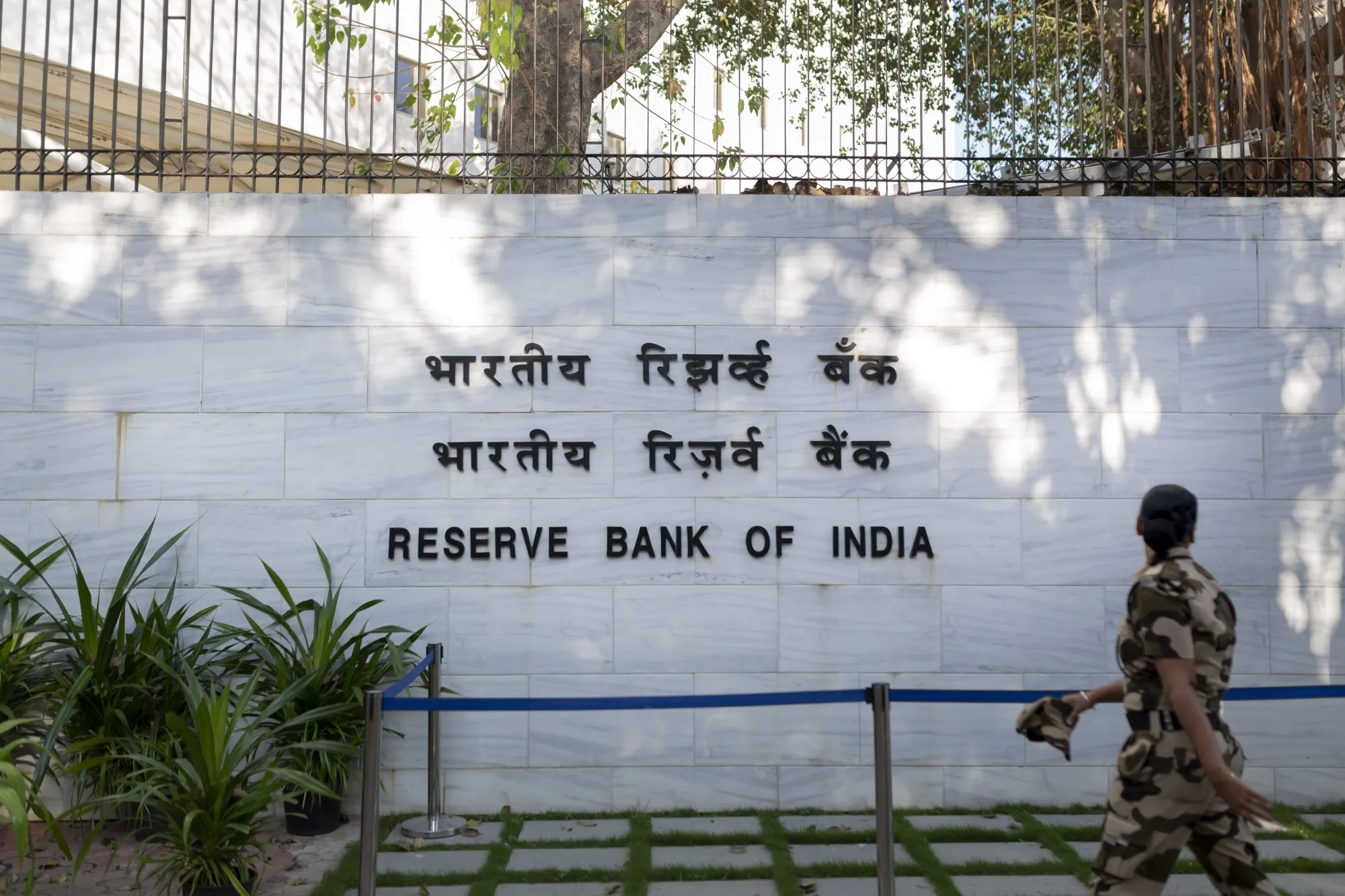
Economists expect the Reserve Bank of India to pause further rate cuts and maintain the current repo rate amid rising inflation concerns and tight liquidity conditions. The development brings focus on monetary policy tools and the Monetary Policy Committee framework.
Monetary Policy & Monetary Policy Committee (MPC):
| Dimension | Key Details |
|---|---|
| Monetary Policy Definition | Refers to actions undertaken by a central bank to manipulate money supply and credit conditions to stimulate or restrain economic activity |
| Quantitative Tools | CRR, SLR, Repo Rate, Reverse Repo Rate, Bank Rate, Open Market Operations |
| Qualitative Tools | Moral Suasion, Direct Action, Selective Credit Control, Margin Requirements |
| MPC Establishment | Constituted in 2016 as a statutory body |
| Legal Basis | Established under Section 45ZB of the RBI Act, 1934 |
| MPC Composition | 6 members: RBI Governor, RBI Deputy Governor in charge of Monetary Policy, one RBI officer nominated by Central Board, and three members appointed by Central Government |
| Tenure of Appointed Members | Four years or until further orders, whichever is earlier, and not eligible for re-appointment |
| MPC Meetings | Mandated to meet at least four times a year |
| Quorum | Four members |
| Decision-Making | Decision taken by majority of members present and voting and is binding on RBI |
| Tie-Breaking Provision | RBI Governor has the casting vote |
| Primary Function | Determines policy interest rates to achieve the inflation target while supporting economic growth |
| Flexible Inflation Targeting | Provides for a target band of 4% ± 2% |
| Current Inflation | Reported at 2.2% near the lower bound of the target band |
| Recent Repo Rate Change | Reduced from 5.50% to 5.25% with cumulative cuts of 125 basis points in 2025 |
| GDP Projections | RBI projects FY26 GDP at 7.3%; Government projects real GDP at 7.4% |