|
Ministry of Power Releases Draft National Electricity Policy 2026 to Replace NEP 2005
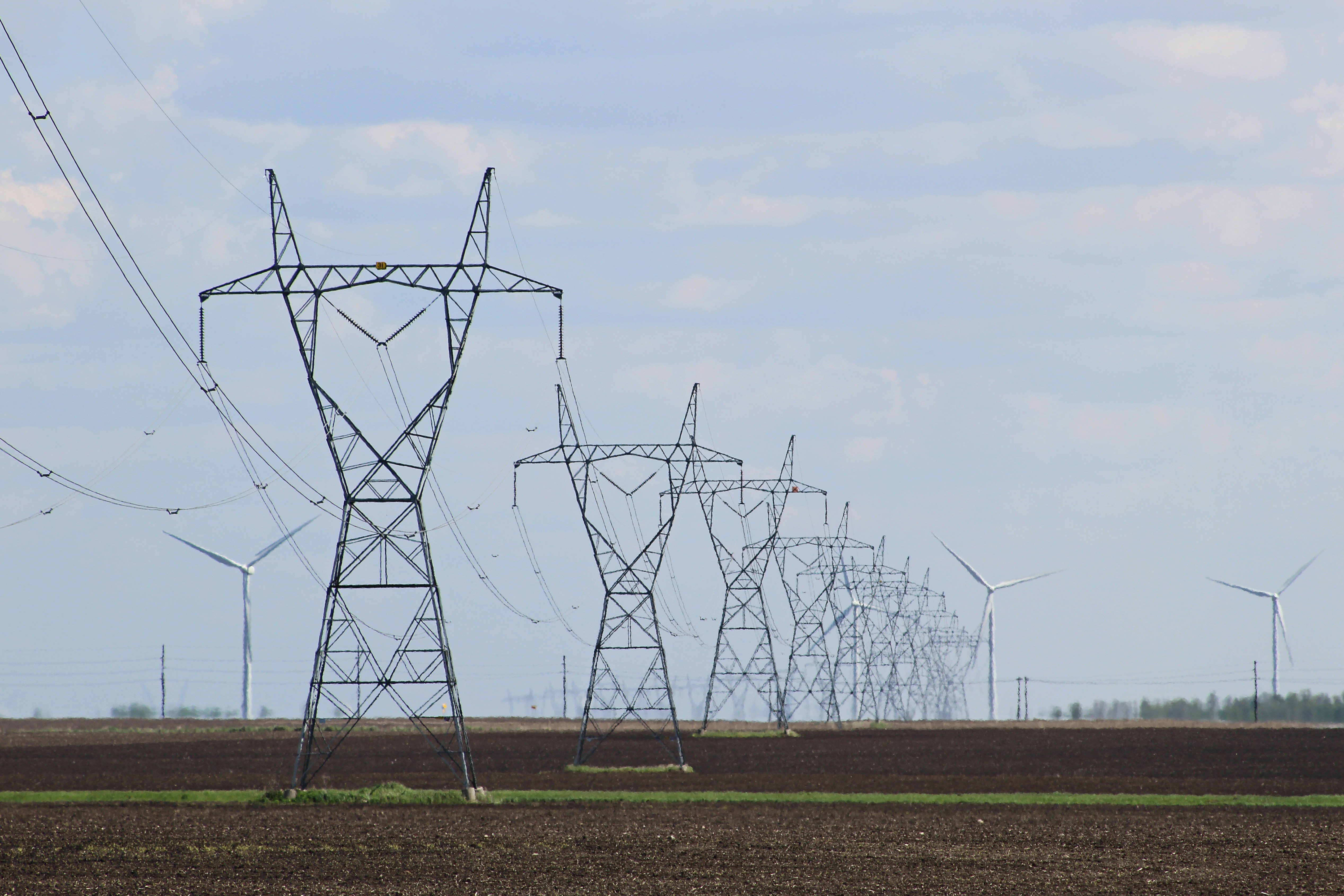
The Ministry of Power releases the Draft National Electricity Policy (NEP) 2026 to replace the existing NEP notified in 2005. The draft provides targets for per capita electricity consumption and introduces provisions on tariff revision, cybersecurity, distribution operations, and storage integration.
Draft National Electricity Policy (NEP) 2026:
| Dimension | Key Details |
|---|---|
| Issuing authority | Released by the Ministry of Power |
| Replaces | Provides for replacing the existing NEP notified in 2005 |
| Per capita electricity consumption targets | 2,000 kWh by 2030; provides for over 4,000 kWh by 2047 |
| Index-based annual tariff revision | Mandates tariffs linked to a suitable index for automatic annual revision |
| Cybersecurity and data storage | Establishment of a robust cybersecurity framework; mandates storage of power sector data within India |
| Distribution System Operator | Establishment of a DSO; authorises facilitating sharing of the network and integration of distributed renewables, storage, and Vehicle-to-Grid (V2G) systems |
| Renewable energy generation and storage | Market-based deployment of storage; provides for use of emerging Battery Energy Storage System (BESS) technologies |
| Universal electrification | Achievement in 2021 ensuring electricity access to all households |
| Unified National Grid | Being operational since 2013 enabling seamless power transfer across states |
| Per capita consumption | Reaching 1,460 kWh in 2024–25 |
| DISCOM finances | DISCOMs having accumulated significant losses and carrying substantial outstanding debt |
| Cost-reflective tariffs | Absence of reflection of actual costs, creating revenue gaps and inefficiencies |
| Industrial tariffs and cross-subsidisation | Cross-subsidisation resulting in high industrial tariffs and undermining global competitiveness of Indian industry |