|
Loggerhead Turtle Habitat and Range
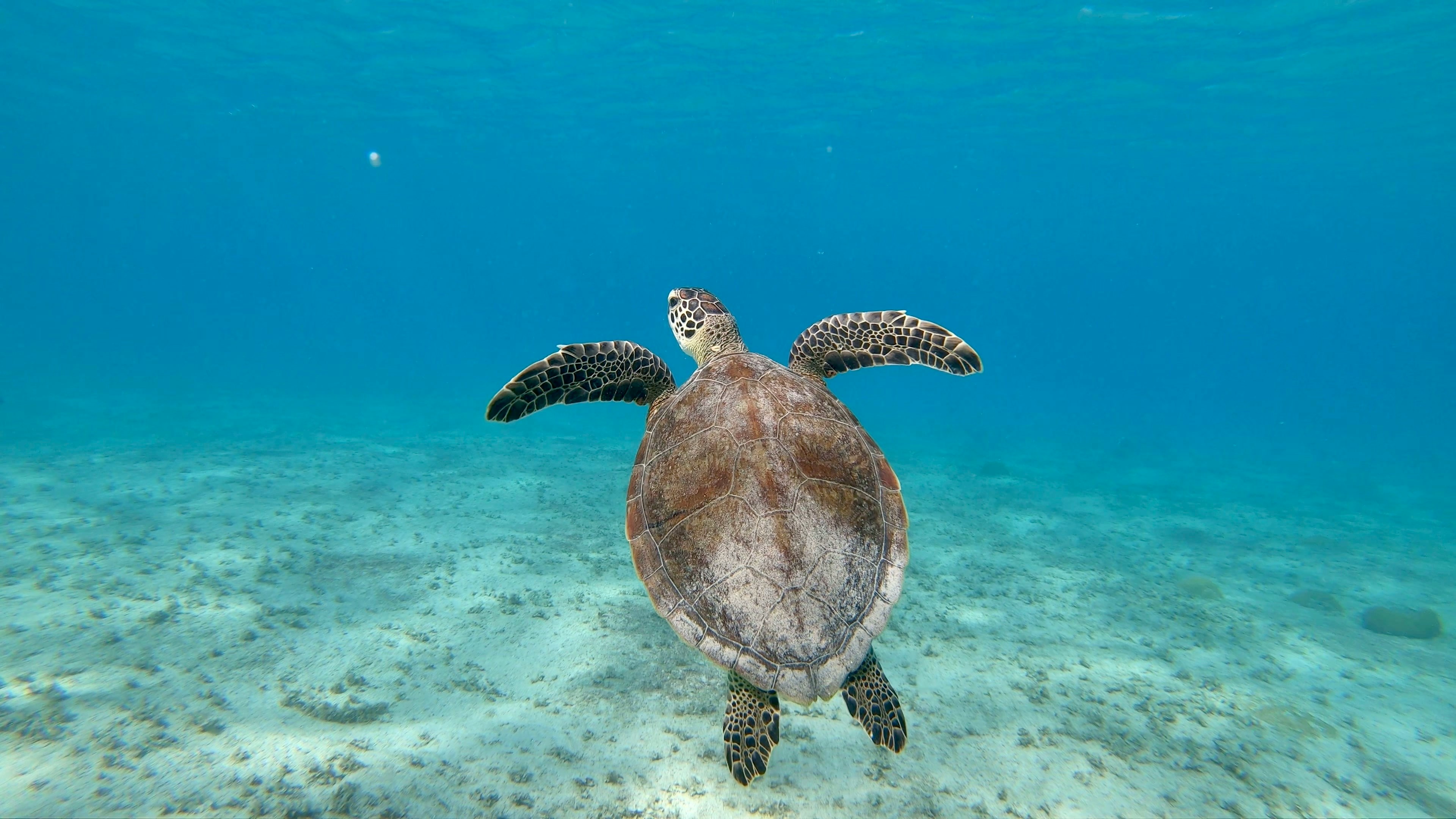
It is observed that warmer oceans and depleting food affect the marine Loggerhead turtle’s reproductive and migratory patterns, and its size. The observation concerns the Loggerhead turtle and is relevant due to reported impacts on its biology and movement.
Loggerhead Turtle (Cheloniidae) :
| Dimension | Key Details |
|---|---|
| Taxonomy | Provides for identification as an oceanic turtle belonging to the family Cheloniidae. |
| Name basis | Large heads that support powerful jaw muscles. |
| Size ranking | Comprises the world’s largest hard-shelled turtle; provides for being the world’s second largest extant turtle after the leatherback sea turtle. |
| Navigation | Comprises use of the geomagnetic field as a map when navigating large distances. |
| Habitat | Applies to offshore and inshore areas: hundreds of miles out to sea; bays, lagoons, salt marshes, creeks. |
| Distribution | Applies to the Atlantic, Indian, and Pacific Oceans and the Mediterranean Sea. |
| Diet | Comprises omnivory; feeding mainly on bottom-dwelling invertebrates: gastropods, bivalves, and decapods. |
| Lifespan | Living up to 80 years or more. |
| Conservation status | Governed by IUCN status: Vulnerable. |
| Threats | Comprises climate change; direct harvest of turtles and eggs; loss and degradation of nesting habitat; ocean pollution/marine debris; bycatch in fishing gear. |