|
Global Gas Report 2026
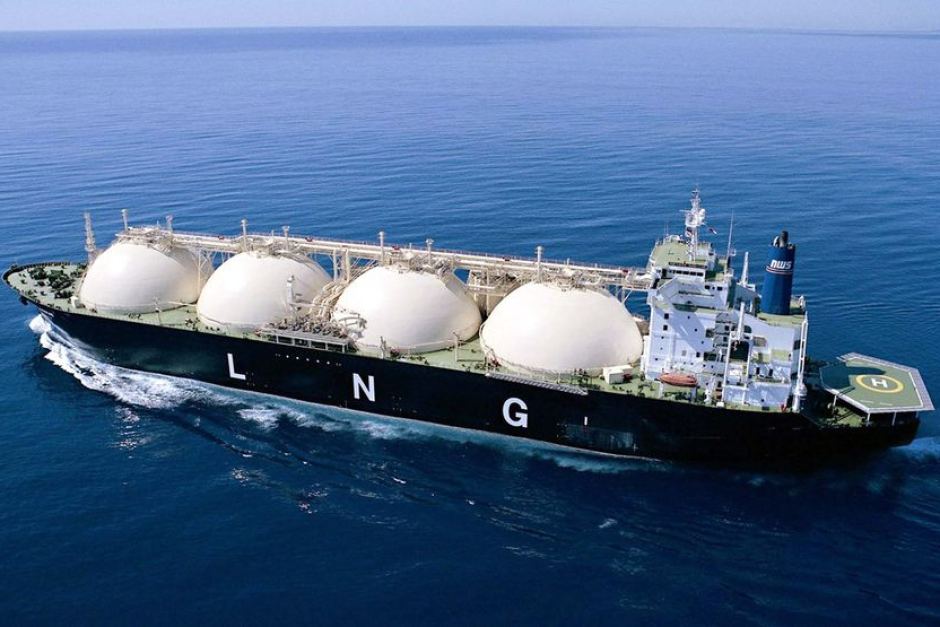
The Global Gas Report 2026 is released by the International Gas Union (IGU), Snam, and Rystad Energy, and reports that global natural gas demand is projected to decline by 7 bcm in 2026 due to disruptions around the Strait of Hormuz. The report states that disruptions around the Strait of Hormuz constrain around 20% of global LNG supply, affecting global LNG trade and highlighting vulnerability in Asia and Africa due to dependence on imported LNG.
Global Gas Report 2026:
| Dimension | Key Details |
|---|---|
| Report and releasing organisations | The Global Gas Report 2026 is released by the International Gas Union (IGU), Snam, and Rystad Energy. |
| Projection: global natural gas demand (2026) | Global natural gas demand is projected to decline by 7 bcm in 2026, mainly due to disruptions around the Strait of Hormuz. |
| Strait of Hormuz and global LNG supply | Disruptions around the Strait of Hormuz constrain around 20% of global LNG supply, which is equivalent to about 3% of total global natural gas supply. |
| Regional vulnerability | Asia and Africa are particularly vulnerable due to dependence on imported LNG and sensitivity to price increases. |
| Global LNG trade trend (Jan–Jun 2026) | Global LNG trade has declined 4% during January–June 2026, with over 80% of the import shortfall concentrated in Asia. |
| India: peak electricity demand (May 2026) | India records a peak electricity demand of 271 GW in May 2026 amid severe heatwaves. |
| India: gas purchases on IGX (Apr–May) | Gas-based power plants increase gas purchases on the Indian Gas Exchange (IGX) by about 340% YoY during April–May. |
| India: role of solar and gas-based generation | Solar power meets daytime demand, while gas-based generation provides flexibility during evening and night. |
| India: temperature rise and peak demand (2024 vs 2019) | Every 1°C rise in outdoor temperature in India is associated with more than 7 GW additional peak demand in 2024, compared with around 4 GW in 2019. |
| LNG definition and process | LNG comprises natural gas cooled to approximately −162°C to convert it into a liquid; liquefaction reduces volume substantially, enabling transportation by specialised ships; at the destination, LNG is converted back into gas through regasification. |