|
Europe Debates Minimum Age Limits as France Follows Australia’s Under-16 Social Media Ban Model
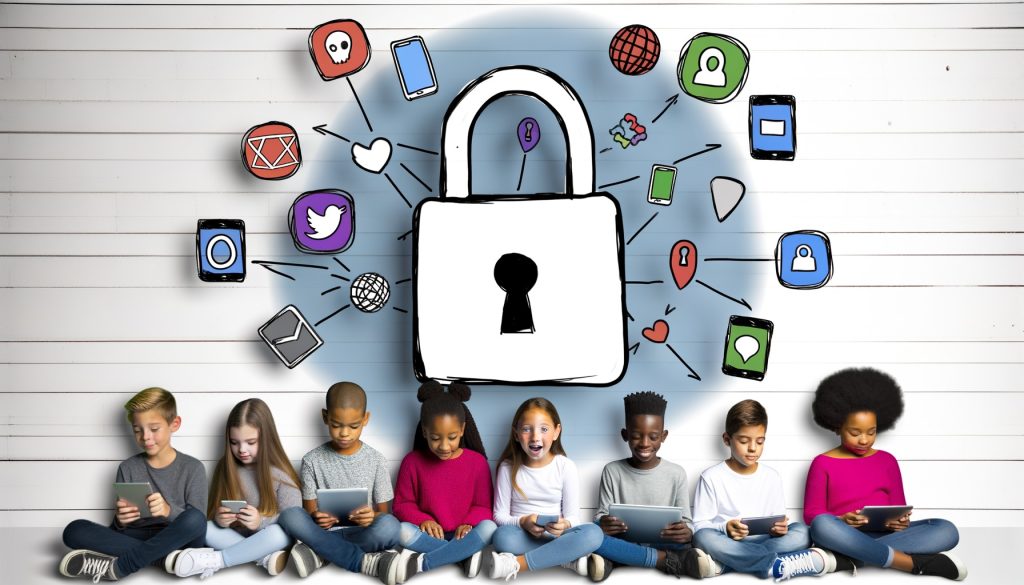
France’s National Assembly approves a bill banning children under 15 from accessing social media platforms and embedded social networking features. The bill moves to the French Senate for further approval, with the government aiming to implement it before the next academic year (by September).
France: Proposed Under-15 Social Media Ban (Bill)
| Dimension | Key Details |
|---|---|
| Age coverage | Banning children under 15 from accessing social media platforms. |
| Scope of ban | Regulates access to social media platforms and embedded social networking features for under-15s. |
| Platforms | Applies to platforms such as Meta Platforms Inc (Facebook, Instagram), Alphabet Inc (YouTube), TikTok, and Snapchat. |
| Compliance requirement | Mandates age-verification systems compliant with EU laws. |
| School-related provision | Extends existing smartphone bans in schools to include high schools. |
| Legislative vote count | Bill is passed by 116 votes to 23 in France’s National Assembly. |
| Implementation timeline | Ban by September, before schools reopen; government aims to implement before the next academic year. |
| French leaders | Highlights risks of online bullying, anxiety and mental health harm among minors, excessive screen time, reduced reading, poor sleep, unhealthy self-comparison, and youth violence. |
| President’s position | President Emmanuel Macron links social media to youth violence and mental stress and urges France to adopt protections similar to Australia’s model. |
| Australia precedent | Australia introduces a world-first ban on social media for under-16s in December. |
| Countries studying | Britain, Spain, Denmark, and Greece as countries studying the Australian model. |
| Public support | A 2024 Harris Interactive survey shows 73% public support for the ban in France. |
| European Parliament position | European Parliament urges the EU to consider minimum age limits for minors’ digital safety. |
| Enforcement in Europe | Enforcement remains the responsibility of individual EU member states. |
| Concerns noted in Europe | Comprises mental health, cyberbullying, misinformation, and addiction. |