|
Central Expert Panel Reviews Paraquat Dichloride and Carbosulfan Over Acute Toxicity
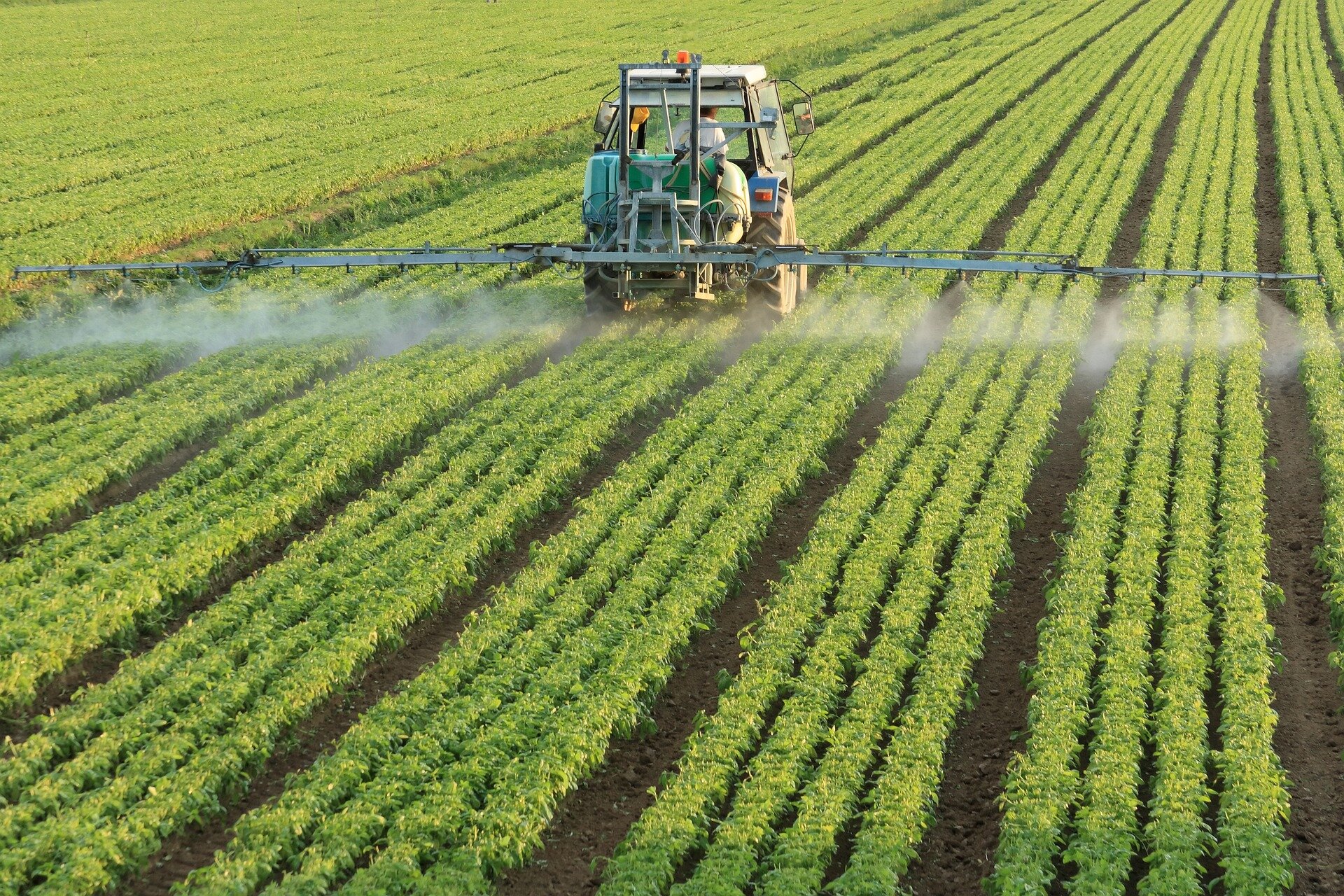
A Central expert panel is reviewing safety profiles of Paraquat Dichloride and Carbosulfan due to public health concerns and acute toxicity. The issue is for pesticide regulation ahead of the kharif sowing season.
Paraquat Dichloride and Carbosulfan:
| Dimension | Key Details |
|---|---|
| Review | A Central expert panel is reviewing the safety profiles of Paraquat Dichloride and Carbosulfan. |
| Reason for Probe | The review is based on public health concerns and acute toxicity. |
| Expert Panel Recommendation | The expert panel has recommended a complete ban on both chemicals. |
| Industry Position | The agrochemical industry advocates a phased regulatory approach instead of an immediate ban before the kharif sowing season. |
| Paraquat Dichloride | Paraquat Dichloride is a highly toxic, non-selective contact herbicide. |
| Non-Selective Contact Action | Non-selective contact action kills a wide range of crops and destroys only the plant parts directly touched by rapidly disrupting cell membranes. |
| Paraquat Application | Paraquat Dichloride is used in weed management across crops such as coffee, rubber, wheat, maize, cotton, paddy, tea, and sugarcane. |
| Restricted Use | Paraquat Dichloride is declared a Restricted Use Pesticide and is prohibited for domestic or residential use. |
| Global Status | Paraquat Dichloride is banned in 60 nations but is not banned under the Rotterdam Convention. |
| Rotterdam Convention | The Rotterdam Convention is a multilateral treaty that promotes collective responsibility in relation to imports of harmful chemicals. |
| Carbosulfan | Carbosulfan is a carbamate insecticide that inhibits acetylcholinesterase enzyme and disrupts the nervous system of target pests. |
| Carbosulfan Application | Carbosulfan is commercially distributed as 25% emulsifiable concentrate and is used in cotton and rice farming. |
| Target Pests | Carbosulfan manages pests such as gall midge, stem borer, leaf folder, white-backed plant hopper, brown plant hopper, aphids, and thrips. |
| Recently Banned Pesticide Categories | Recently banned plant protection chemical categories include herbicides, fungicides, carbamate insecticides, organophosphate insecticides, organo-mercury fungicides, toxic fumigants, and acaricides. |