|
BHAVYA Scheme
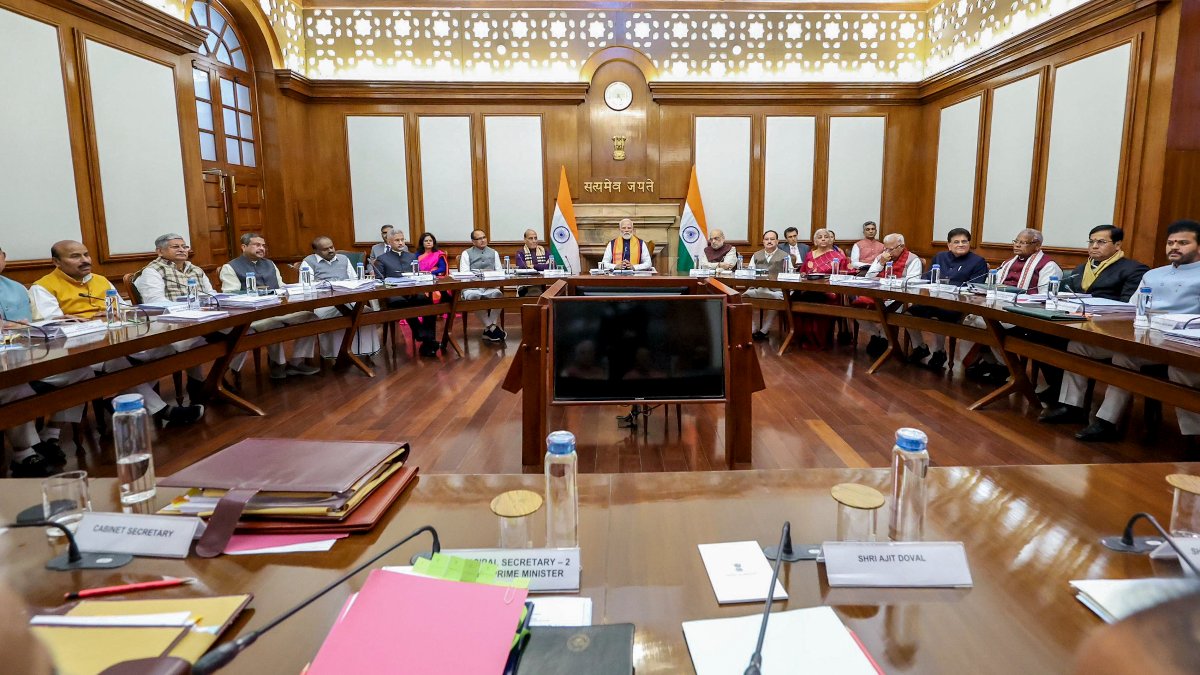
The Union Government has launched guidelines for the BHAVYA Scheme to develop world-class industrial parks across India. The scheme is for industrial infrastructure creation, manufacturing growth, and investment promotion.
BHAVYA (Bharat Audyogik Vikas Yojna) Scheme:
| Dimension | Key Details |
|---|---|
| Full Form | BHAVYA stands for Bharat Audyogik Vikas Yojna. |
| Scheme Type | BHAVYA is a Central Sector Scheme. |
| Objective | The scheme aims to develop investment-ready, world-class industrial parks across the country. |
| Main Focus | The scheme focuses on creating integrated industrial ecosystems with plug-and-play infrastructure and multimodal logistics connectivity. |
| Target | The scheme targets the development of 100 industrial parks. |
| Time Period | The scheme will be implemented for six years from 2026–27 to 2031–32. |
| Infrastructure Features | The parks will include reliable utility systems, worker-support infrastructure, digital governance systems, and sustainable development features. |
| Policy Linkage | The scheme supports the Make in India programme and PM Gati Shakti initiative. |
| Industrial Zones | The scheme promotes integrated investment-ready manufacturing zones. |
| Project Types | Both greenfield and eligible brownfield industrial parks are covered under the scheme. |
| Minimum Land Requirement | The minimum land requirement is 100 acres for non-hilly states. |
| Special Category States | The minimum land requirement is 25 acres for hilly states, northeastern states, Union Territories, and smaller states. |
| Implementation Model | The scheme will be implemented through Special Purpose Vehicles incorporated under the Companies Act, 2013. |
| Logistics Integration | The scheme emphasizes multimodal logistics connectivity for efficient industrial transportation. |
| Economic Significance | The scheme aims to strengthen industrial manufacturing capacity and attract domestic and foreign investment. |