|
Mines and Minerals Amendment Bill 2026
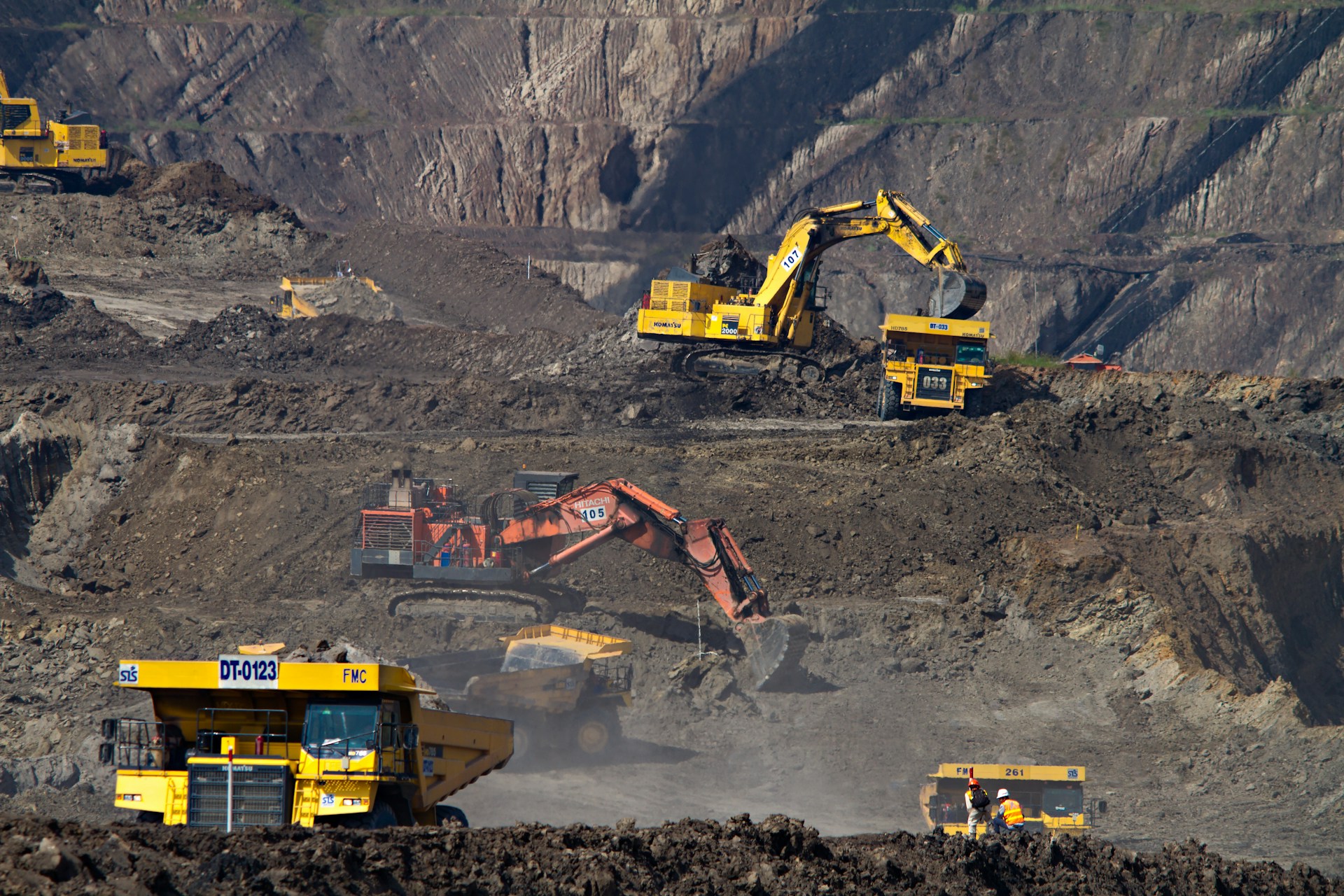
The Coal and Mines Minister G. Kishan Reddy introduces the Mines and Minerals Amendment Bill 2026. The Bill provides for amending regulations on mines and minerals, including restricting states from levying additional taxes, cesses, or levies on mineral rights, and authorising greater central control over regulating mineral-laden lands.
Mines and Minerals Amendment Bill 2026:
| Dimension | Key Details |
|---|---|
| Stated intent | The Bill provides for making India’s mining sector more efficient, investment-friendly, and well-equipped to fulfil growing demand for critical minerals. |
| Issues cited with state fiscal levies | The Bill identifies five issues: heavy tax burden on the mining sector; unpredictable introduction of taxes, cess, and other levies after commencement of mining operations; multiple taxes and levies on mineral production or dispatch; non-uniform rates across states; retrospective imposition of such taxes and levies. |
| Principal law | The Mines and Minerals (Development and Regulation) Act, 1957 (MMDR Act) is the principal central law governing the development and regulation of mines and minerals. |
| Central government powers under MMDR Act | The MMDR Act allows the central government to regulate mines and mineral development in public interest, and empowers the central government to make rules for conservation and systematic development of minerals. |
| Major and minor minerals under MMDR Act | The MMDR Act distinguishes between major minerals, regulated by the central government, and minor minerals, regulated by state governments. |
| Mineral concessions and royalties under MMDR Act | Under the MMDR Act, mineral concessions, such as prospecting licenses and mining leases, are granted by state governments and follow rules and auction processes set by the central government; the central government fixes royalty rates, and states collect royalties from lessees. |
| Supreme Court (2024) on royalty | In 2024, the Supreme Court has held that royalty is not a tax, and is a payment arising out of contractual obligation to enjoy mineral rights. |
| Supreme Court (2024) on states taxing mineral rights and Entry 50 | In 2024, the Supreme Court has held that state legislatures have legislative power to tax mineral rights, and such power can be limited by an Act of Parliament, including by prohibition, under Entry 50 of the State List; it has noted that the MMDR Act, 1957 does not place such restrictions. |
| Supreme Court (2024) on states taxing mineral-bearing land and Entry 49 | In 2024, the Supreme Court has held that states’ power to tax land under Entry 49 of the State List extends to mines and quarries, such lands can be taxed based on mineral value or produce, and Parliament cannot limit states’ powers to tax mineral bearing lands. |
| Constitutional entries on mines and minerals | The Constitution provides for Parliament’s power to regulate mines and mineral development to the extent declared expedient in public interest by law (Entry 54 of Union List), states’ power to regulate mines and mineral development subject to the Union List (Entry 23 of State List), and states’ power to tax mineral rights subject to limitations imposed by Parliament by law relating to mineral development (Entry 50 of State List). |